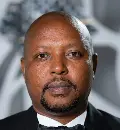
President Félix Tshisekedi has signed the referendum law, opening the way to rewriting or replacing the 2006 Constitution. It also reshapes the political landscape across the Great Lakes region. The move shows where Kinshasa’s priorities lie. Keeping executive power matters more than fixing the country’s governance and security crises. For people living in areas run by the Front for the Refoundation of the Nation (FRN) and the M23 movement, the message is plain. A negotiated settlement with Kinshasa is not coming soon, and a long stalemate is the most likely outcome. The 2006 Constitution was born out of the Sun City peace accords. It was meant to keep authoritarian rule from returning and to bring marginalized regions into one state. Article 220 protects presidential term limits so that power changes hands peacefully. Those protections were part of what held a fragile peace together. By starting a process to dismantle that charter, Kinshasa has undercut regional mediation, including the Doha process. Without a shared constitutional framework, negotiators have no legal footing. A government busy organizing a referendum to extend its mandate beyond 2028 has little reason to concede anything at the table. For the east, a frozen conflict is more than a diplomatic nuisance. It is a direct threat to human survival and to any chance of economic recovery. Decades of neglect by the central government, followed by military blockades and banking shutdowns imposed by Kinshasa, have already strained communities in North and South Kivu. If FRN and M23 leaders wait for Kinshasa to change course or for mediators to force a breakthrough, the territories they hold risk long-term stagnation. Without an economic strategy, morale will sink, infrastructure repair will stall, and millions will be left exposed to poverty and rising prices. The FRN and M23 therefore need to stop acting as a temporary wartime administration and start planning for the long term. That means governing for years, not months. If Kinshasa won’t be a reliable partner, the authorities in Goma, Bukavu and surrounding territories must build a local economy that can stand without it. That starts with institutions people can predict. Businesses and local entrepreneurs thrive on certainty. A trader deciding whether to stock a warehouse or a farmer deciding whether to plant a second season is making a bet on the rules. Protecting property rights, pursuing a vibrant taxation policy and holding local revenue authorities to strict anti-corruption standards would draw capital from Congo and neighboring countries. Investors who see their assets protected by consistent rules, not the whims of distant officials, will put in more money. Agriculture and food security come next. Eastern Congo has some of the most fertile land and best climates in Africa, yet insecurity and bad roads have often forced communities to buy expensive imports. Rural feeder roads, protected farming corridors and support for agricultural cooperatives would bring food prices down, give young people jobs and cut reliance on outside supply chains. Food grown and sold locally also keeps money in the region. Cross-border trade with East African Community states should be formalized and expanded. Geography makes the case for it. Eastern Congo’s natural trade routes run east toward the Indian Ocean, not thousands of kilometers west through dense forest to Kinshasa. Simpler customs procedures, aligned trade standards and secure transit routes would get local minerals, crops and manufactured goods to regional markets and bring in foreign exchange to pay for public services. Growth also has to show up in people’s daily lives. Schools need repair, hospitals need equipment, and electricity and water need to work reliably. Security alone won’t hold public trust for long. People judge an authority by whether their living standards improve. That is where legitimacy is won or lost. Tshisekedi’s gamble may extend his time in Kinshasa, but it has also made the east’s choice clearer. Waiting on a broken center is something eastern Congo cannot afford. The east cannot control what happens in Kinshasa, but it can control how it governs itself. That is a harder path than waiting, but it is the one within reach. Focusing on economic self-reliance, accountable institutions and regional integration is how the FRN and M23 can turn a political stalemate into something useful. The writer is an ideator, development and alternative financing strategist at Halisi Consulting Ltd.