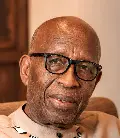
With the passing of Dafroza Mukarumongi Gauthier, Rwanda has lost a steadfast daughter, survivors have lost a devoted advocate, and the cause of justice has lost a woman of remarkable courage. To her husband, Alain Gauthier, their children and the wider family, I extend my deepest condolences. Dafroza’s life reminds us that the struggle against genocide does not end when the killing stops. It continues in the search for the missing, the preservation of testimony, the rebuilding of shattered lives and, crucially, the pursuit of those responsible. Together, Dafroza and Alain devoted decades to ensuring that individuals suspected of participating in the 1994 Genocide against the Tutsi could be brought before courts in France. Their work confronted a deeply troubling reality. While survivors lived with irreversible loss, some individuals accused of involvement in the genocide had established new lives abroad. With distance, professional standing and the passage of time, confronting their alleged past became increasingly difficult. For the bereaved, knowing that a genocide suspect could live undisturbed in another country added yet another burden to their grief. Dafroza and Alain refused to accept that as the final word. In November 2001, they founded the Collectif des parties civiles pour le Rwanda (CPCR) to help bring genocide suspects living in France before French courts. Through the organisation, they gave practical meaning to the obligation to investigate genocide and establish individual criminal responsibility. The task demanded extraordinary persistence. They travelled to Rwanda, listened to survivors and other witnesses, gathered information and helped build files for judicial proceedings. Behind every file were people being asked to return to some of the most painful moments of their lives, often after years of waiting for an opportunity to be heard. Much of this work took place away from public attention. It required careful listening, repeated journeys, meticulous examination of documents and the stamina to follow cases through long periods of legal and procedural uncertainty. Their contribution was to help ensure that testimony reached the institutions responsible for examining evidence and determining responsibility. France’s first trial relating to the Genocide against the Tutsi took place only in 2014, two decades after the genocide. That long interval speaks to the extraordinary patience their mission required, but also to the anguish endured by survivors waiting for accountability. Time weighs heavily on cases of this nature. Witnesses grow older and die. Memories become more difficult to recover. Suspects, too, may die before the courts are able to determine their responsibility. Every unnecessary delay risks permanently closing an avenue to justice. Dafroza understood the human meaning of that urgency. Members of her own family had been murdered during the genocide. Her commitment arose from a profound personal loss that she carried throughout her life, but her work extended far beyond her own family. She helped create space for other survivors to be heard and for their suffering to receive the attention of judicial institutions. We should remember Dafroza as an advocate whose contribution deserves recognition in its own right. Returning repeatedly to evidence of an atrocity that destroyed members of one’s own family requires immense strength. Continuing that work on behalf of others requires generosity, courage and uncommon resolve. In honouring Dafroza, we also recognise the partnership she built with Alain. Together, they connected Rwandan memory with French civic responsibility in a shared pursuit of accountability. Their example demonstrated what citizens can achieve when they take seriously the principles their institutions profess and commit themselves to ensuring those principles are applied. Alain now bears a loss that no public recognition can ease. Before anything else, he is a husband mourning his wife. Our gratitude must therefore be accompanied by compassion for him, their children and the entire family, and by respect for their grief. Their work also leaves a clear responsibility for France and Europe more broadly. Countries in which genocide suspects reside must provide the resources, political commitment and judicial cooperation necessary for credible investigations and timely proceedings. Survivors and voluntary organisations should not be left to carry such a substantial part of the burden of sustaining cases involving crimes of this magnitude. The most meaningful tribute to Dafroza will therefore be to continue the work she helped build: supporting survivors, preserving testimony, confronting genocide denial and pursuing outstanding cases with determination, diligence and full respect for due process. For Rwanda, remembrance carries a responsibility both to the dead and to the living. Justice affirms that the lives destroyed mattered, that survivors deserve to be heard, and that crossing an international border does not erase criminal responsibility. Dafroza Mukarumongi Gauthier devoted much of her life to securing that affirmation. Alongside Alain, she helped keep alive the possibility of justice when delay and indifference threatened to extinguish it. May she rest in peace. May Alain and their family find comfort in the enduring gratitude of those whose cause she championed. We honour Dafroza’s memory by carrying her commitment to justice forward.