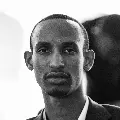
Rwanda has called on members of the private sector to play a bigger role in helping refugees become economically self-reliant, arguing that shrinking humanitarian funding requires a shift from aid-based support to sustainable livelihoods. The call was made on June 30, during a high-level dialogue on refugee economic empowerment held to mark World Refugee Day 2026, where government officials, representatives of UN agencies, development partners and businesses discussed job creation, investment and market opportunities for refugees. ALSO READ: Refugees in Rwanda turn to businesses as aid shrinks “The recent reduction in humanitarian funding, including food assistance, has demonstrated the vulnerability of aid-dependent systems,” the Minister in charge of Emergency Management, Maj Gen (Rtd) Albert Murasira, said. To address the challenge, Rwanda has adopted the Refugee Sustainable Graduation Strategy, which aims to enable at least half of refugee households to transition from humanitarian assistance to economic self-reliance by 2030. “The private sector must become a central partner,” Murasira said. ALSO READ: World Vision, EU empower refugees with start-up capital to build self-reliance He said businesspeople can contribute by investing in refugee-owned enterprises, creating employment opportunities, facilitating access to finance, strengthening value chains and expanding markets that benefit both refugees and host communities. “When refugees are economically empowered, everyone benefits,” he said. “Refugees regain dignity and hope, host communities experience increased economic activity, businesses access new talent and markets, and governments strengthen social cohesion and national development.” Murasira said achieving refugee self-reliance will require stronger collaboration between government, humanitarian agencies, development partners, financial institutions, civil society and businesses. “Let us affirm that refugees are not merely beneficiaries of assistance,” he said. “They are partners in development, contributors to our economy and, above all, human beings with aspirations and potential who deserve every opportunity.” ALSO READ: Officials root for refugees’ self-reliance as funding drops Rwanda currently hosts about 137,000 refugees and asylum seekers, most of them from DR Congo and Burundi. Women and children make up about 75 percent. The country has earned international recognition for policies that allow refugees access to education, healthcare, financial services, employment and freedom of movement. However, officials said these policies must be matched with greater economic opportunities. Fatmata Lovetta Sesay, the UNDP Resident Representative in Rwanda, said refugee inclusion should be viewed as a development investment rather than simply a humanitarian responsibility. “If we are serious about self-reliance, we must shift from a model centred on assistance to one centred on opportunity and success,” she said. Sesay said refugees need greater investment in skills development, entrepreneurship, digital inclusion and financial services to enable them to contribute fully to the economy. “The greatest contribution of the private sector is not philanthropy,” she said. “It lies in creating jobs, opening markets, investing in refugee-owned enterprises, integrating refugees into supply chains and expanding access to finance.” She also urged businesses to adapt their policies to better respond to the realities faced by refugees. Sesay said refugees are not an economic burden but can generate benefits for both host countries and their countries of origin. ALSO READ: Kigeme refugees turn to business to reduce aid dependence The dialogue highlighted examples of refugees who have built businesses in Rwanda. Among them is Prince Ndungutse, who lives in Mugombwa Refugee Camp. Ndungutse helps manage an agricultural cooperative that grows chilli, maize and soybeans, raises poultry and supplies produce to local markets. The cooperative has expanded into an integrated farming enterprise that produces poultry feed and operates an egg incubator, creating income for refugee families while serving surrounding communities. The country’s progress is also reflected in financial inclusion. According to the FinScope 2024 Refugees Financial Inclusion Thematic Report, 99 percent of refugees aged 16 and above have access to formal or informal financial services, with mobile money emerging as the most widely used financial tool.