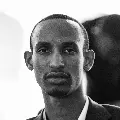
Rwanda's Minister of Foreign Affairs and International Cooperation, Olivier Nduhungirehe, has raised concerns over the use of veto powers at the United Nations Security Council, saying the practice has often blocked humanitarian action and weakened the council’s ability to respond to global crises. Speaking during a ministerial-level strategic dialogue on UN Security Council reform on the sidelines of the Africa Forward Summit in Nairobi, Nduhungirehe said the use or threat of veto has been used to pressure member states and prevent serious consideration of humanitarian interventions. ALSO READ: Kagame arrives in Kenya for Africa-France summit “For a long time, the use of veto rights or the threat of its use has repeatedly been employed to pressure member states or block serious consideration of humanitarian interventions, thereby paralyzing the Council’s primary responsibility for the maintenance of international peace and security,” Nduhungirehe said. He reiterated alignment with the Common African Position, which calls for equitable representation of Africa on the UN Security Council, including permanent seats with full rights and privileges. Nduhungirehe also stressed that expanding representation alone would not be enough, noting that reforms should also address how the council operates. “Structural reform must go hand in hand with reforms to the Council’s working methods, including improvements in transparency and accountability,” he said. ALSO READ: Africa’s veto dilemma: To take UNSC permanent seats or not? The Africa Forward Summit has brought together African and French leaders to strengthen cooperation in trade, investment, innovation and technology. President Paul Kagame is among heads of state attending the summit, which is being co-hosted by Kenyan President William Ruto and French President Emmanuel Macron. Kagame is expected to co-chair a roundtable discussion on artificial intelligence and digital technologies, and participate in a plenary session on green industrialisation and energy transition alongside African and French business leaders. The two-day summit has attracted more than 4,000 participants, including over 25 African heads of state and government, according to organisers. It is expected to conclude with the Nairobi Declaration, which will outline future priorities for Africa-France cooperation.