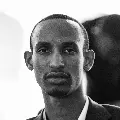
Producer and sound engineer Madebeats says the biggest challenge facing some local creatives is not technical skill, but what he describes as a limiting mindset about market size. Known for his versatility since 2017, Madebeats has been credited on several popular releases each year, shaping songs that have resonated widely with listeners. If you know tracks such as Meddy’s My Vow, Bruce Melodie’s Katerina or The Ben’s Why (featuring Diamond Platnumz), you already have an idea of the producer’s influence in the Rwandan music scene. ALSO READ: Madebeats has new studio, and Warner Bros have a deal to close While creatives continue pushing Rwandan music beyond borders, the producer argues that the country’s relatively small population should not be seen as a barrier to global success. “The idea that we are a small community and cannot achieve bigger things is a big lie,” he said. “You don’t need a big community to go far. Focus on your audience first. When they support you, you can go beyond.” After nearly four years in the United Kingdom, the hit-maker is back in Kigali, working from a studio he set up in Rusororo, Gasabo District, and has already immersed himself in production work. When The New Times visited him on Friday afternoon, February 19, he was wrapping up a recording session with longtime artiste Uncle Austin. During his time in the UK, he closely observed how music ecosystems function in more developed markets, saying the experience reinforced the importance of community-level audience engagement. “The music industry in the UK is one of the best, maybe top three behind the US and France,” he said. “It was eye-opening. I’ve seen many things we need to implement here.” “In the UK, there is no single UK community,” he added. “There are Nigerian, Pakistani and Indian communities. When you release music there, you are actually tapping into your own community within the country.” ALSO READ: Could Madebeats replace Element at 1:55AM? He believes the same strategy can work for Rwandan artistes by prioritising listeners who already connect with their music before attempting wider expansion. The producer, born David Mucyo. also emphasised creative independence, particularly in response to commercial pressure to manufacture hit songs. “There is no formula for a hit song,” he said. “You cannot sit in the studio and decide you are making a hit. You just make music. If people like it, it will become a hit.” Adapting to AI On the growing use of artificial intelligence in music production, Madebeats said he has long incorporated AI-powered tools into his workflow, especially in mixing and mastering, but warned against relying on technology to generate music independently. “If you go to AI and ask it to create everything, then who owns the product?” He wondered. “Use it to enhance what you have created, not replace your creativity.” Industry recognition remains part of the regional conversation. Madebeats congratulated fellow producer Element Eleéeh following his win at the All Africa Music Awards (AFRIMA), describing the accolade as prestigious and inspirational for other producers. “It’s a very nice achievement. I congratulated him. We actually live in the same neighbourhood — we should soon visit each other and work together,” he said. Competition within the industry, he added, should remain professional rather than personal. “You work, I work. If you beat me to it, next time I work harder,” he said. “That is the kind of competition that helps the ecosystem grow.” Loads of projects in the studio Since returning to Kigali, Madebeats has been working with several artistes across genres, including Bruce Melodie, Bwiza, Shafi, Teta and Jules Sentore, among others. On the same evening the team visited him, he also hosted sessions with Kenny Sol, Kevin Kade and Mike Kayihura. He is currently preparing releases for May and June ahead of his second studio album, expected in August, with one track already recorded alongside Kivumbi King. His debut project, Made in Kigali, was released four years ago and featured several then-emerging artistes. As he settles back into Kigali’s music scene, the producer says his focus remains on contributing to the industry’s growth rather than chasing recognition. “As long as the song goes out and people enjoy it, that is enough,” he said.