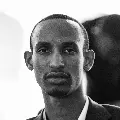
Rwanda’s Permanent Representative to the United Nations Martin Ngoga, on December 9, told fellow diplomats and officials that the world continues to lack the political courage to act on early warnings of mass atrocities like genocides. ALSO READ: ‘Stop Genocide’: Congolese refugees in Rwanda demand peace at home “What is missing is not data, nor analysis, nor precedent. What is missing is courage,” Ngoga argued during a high-level meeting marking the tenth anniversary of the International Day of Commemoration and Dignity of the Victims of Genocide. Ngoga’s remarks come at a time of rising concern over dehumanising rhetoric and ethnic targeting in the Great Lakes, where there is an increasing proliferation of hate speech and violence. The ambassador characterised the anniversary as “not only a commemoration” but “an indictment of how often the world’s promises collapse when they are most needed.” Making reference to the 1994 Genocide against the Tutsi claimed more than million lives, he said the international community did not fail because it did not know, but it failed because it did not act. Ngoga issued a stark warning about the resurgence of genocidal language and the spread of denial across digital platforms. Genocide denial is not an opinion. It is an act of violence,” the ambassador declared, adding that denial represents “the first step toward repetition” while emboldening perpetrators and retraumatising survivors. ALSO READ: Hate speech is a seed of unending conflict – Rwandan envoy He acknowledged the work of the International Criminal Tribunal for Rwanda and the International Residual Mechanism, and called for more consistent application of justice mechanisms. “Justice must not be an exceptional remedy applied only when the world feels ready,” he said. “Selective accountability is no accountability at all.” ALSO READ: Belgian lawyer on why genocide ideology doesn’t dissolve three decades after dispersion of genocidaires Ngoga highlighted the role of new technologies in spreading division “at unprecedented speed,” calling on the UN to strengthen its prevention architecture with the same seriousness applied to crisis response after atrocities occur. Drawing on Rwanda’s post-genocide reconstruction, Ngoga referenced the national philosophy of Ndi Umunyarwanda as a deliberate rejection of divisive politics. He described Rwanda’s recovery as built on “truth, justice, unity, and homegrown solutions.” The International Day of Commemoration and Dignity of the Victims of the Crime of Genocide and of the Prevention of This Crime was established by the UN General Assembly in 2015.