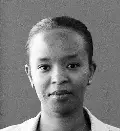
At just 19, Damien Niyonshuti left Rwanda with a scholarship, a suitcase, and a dream. Nearly two decades later, that journey has carried him to the forefront of the global technology scene, after becoming the first Rwandan to join the Forbes Technology Council. The council, created in partnership with Forbes and the Young Entrepreneur Council (YEC), is an invitation-only community that brings together leading executives and innovators, CEOs, CIOs, CTOs, and founders to share insights and shape the future of technology. Niyonshuti is a seasoned engineer and technology leader with expertise in software systems, AI, and platform architecture. After finishing high school at Ecole des Sciences Byimana, he left Rwanda at the age of 19 on a scholarship to study in the United States. He later pursued a Master’s degree in California and completed an Executive Management Program in AI Strategy at MIT. “A turning point came when I worked at one of Wall Street’s leading global firms early in college,” he told The New Times. “It exposed me to the global technology culture and connected me with mentors who shaped my vision.” Since then, Niyonshuti has worked with multiple Fortune 500 companies as an engineer, invested in early-stage startups, and founded a software services company. He currently leads platform engineering initiatives at Ford Motor Company, focusing on intelligent systems, reliability, performance, and building cloud-first, AI-ready environments. Niyonshuti is also the founder and board member of TEKx Labs, a Seattle-based venture developer studio and advisory firm that supports startups and innovators. Accepted into the council in July, Niyonshuti sees the opportunity as a platform to share his unique perspective and amplify Africa’s voice in global technology. “The biggest thing is just having a platform where you can offer a unique perspective, literally just a unique opportunity to be able to exchange ideas that foster the technology industry, which can create an education space to influence any innovations that are happening in the space,” he said. ALSO READ: Space tech: Rwanda’s progress on space projects As a Rwandan, he sees this as a unique chance to share Africa’s perspective and demonstrate that Rwandans can lead in technology. “This is a global impact, having a platform that reaches a massive audience while also educating the market about what’s happening in Rwanda and across Africa is a big deal, both personally and professionally,” he said. Niyonshuti also said that he plans to use this platform to create opportunities for Rwandan tech companies. “The way they designed this, you’re not promoting products, but essentially what you’re doing is sharing perspective. For instance, in AI, you can show how Rwanda is keeping up and highlight the people driving innovation in the Rwandan ecosystem.” “This platform can amplify what’s happening locally, educate the market, and help entrepreneurs connect with other global technology innovators and visionaries. The network itself can create massive opportunities, and I see that as a big advantage for Rwandan entrepreneurs,” he added. Niyonshuti said Rwanda’s key contribution to global technology is in AI and cloud, citing Oracle’s expansion as an example of the trusted local ecosystem that attracts global investment and partnerships. ALSO READ: Global tech company to set up cloud computing operations in Rwanda He added, “Rwanda is already on the map in the cloud and AI space, and this council provides a way to showcase that and facilitate partnerships that benefit both global and local innovators.” He urges young innovators to be lifelong learners, solve real problems, and leverage Africa’s unique perspectives to create global opportunities. “This is a reminder that when one Rwandan succeeds, we carry with us the aspirations of our people and the responsibility to create opportunities for others. By staying curious and committed to learning, we can prepare the next generation to lead in solving the world’s toughest challenges,” he said.