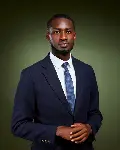
With less than two months to the 2025 UCI Road World Championship, Rwanda is all but getting everything in place in time to make history as the first African nation to host the world’s biggest cycling event in its 125-year history. In this second episode of The Times Sport Podcast, Weekend Sport’s Davis Higiro sat down with Rwanda Cycling Federation (FERWACY) president Samson Ndayishimiye for an in-depth conversation on the country’s preparations. From infrastructure upgrades and international partnerships to the readiness of Team Rwanda and the legacy the event could leave behind, a lot is happening behind the scenes towards a successful event in the Rwandan capital city. Excerpts: What do you think qualified Rwanda to host this global event? There are so many factors. First, Rwanda has consistently hosted the Tour du Rwanda, we’re now on the 17th edition, and it’s a race recognized by UCI where riders gain points. That kind of consistency sends a strong message. We’re also naturally positioned for cycling. Rwanda’s landscape, the land of a thousand hills, is ideal. Our infrastructure, security, passionate fans, compact size, and favorable weather with no winter all combine to make Rwanda a great cycling destination. Cycling has also long been part of our culture, not just as a sport but also as a means of transport. UCI saw the potential, and we as a country believed we could deliver. How far are we in terms of readiness to host the event? I believe we’re on track. This is the biggest cycling event on the continent, and the first time Africa is hosting it in 125 years. As FERWACY, we have a technical role, but this event is far bigger than just the federation. We’ve got full government support and a local organising committee with nine work streams, from infrastructure to logistics, security to accommodation. Each has a team working tirelessly behind the scenes to make sure everything aligns with the event timeline. What are some of the ongoing activities as we get closer to the competition? A lot is happening. For example, the facelift at the Kigali Convention Centre roundabout, that's part of the event’s infrastructure preparations. The City of Kigali, Rwanda Transport Development Agency (RTDA), and other stakeholders are working together to deliver on time. We’re also working with two event delivery partners — Golazo from Belgium, who have organized world championships before, and the Amaury Sport Organisation, which runs the Tour de France. They bring global expertise while ensuring our systems align with UCI standards. Preparations also extend to the national team. Riders have been in training camps in France and Musanze. We’re planning another camp leading up to the competition, and we’re grateful to the Ministry of Sports for their support, it’s an expensive undertaking. We’ll be fielding athletes in all six race categories: men and women elite, U23, and juniors. That in itself is a legacy. From your perspective, how prepared are Rwandan riders? In the last Tour du Rwanda, we had riders in the top 10. But the World Championship is a different level. We’ll be competing with the best cyclists in the world. That said, this is a big opportunity for our juniors. Countries are allowed to bring up to five riders per junior category. It’s our chance to fly the flag and be part of history. As we speak, juniors are going into holiday, perfect timing for their training camp. Camps alone aren’t enough. They need to race. And we’re doing our best to give them both training and racing opportunities. Anything can happen in sport, and as hosts, our riders should feel confident and inspired. We’ve seen some infrastructure undergoing upgrade. Can you tell us more about the race routes and the removed humps? We’re working with the City of Kigali and RTDA to remove about 35 road humps along the routes. There are three main circuits: 1. Time Trials (Sept 21–23): Individual time trials for all six categories. Start: Inside BK Arena (a UCI first — starting inside an indoor arena). Circuit: BK Arena – Kimironko – Kwa Lando – Gisimenti – KFC – Sonatube – Kicukiro Centre – Gahanga – Master Steel – Gikondo – Sawa City – Former Cadillac – cobblestone section – Kabindi – Finish at KCC. 2. Team Relay (Sept 24): Mixed relay time trial. Start: KCC, same route as above. 3. Road Races (Sept 25–28): Start and finish at KCC. Circuit includes: RDB – MTN – Nyarutarama – Golf Course roads – Kacyiru – RIB – Cadillac – cobblestone to Kabindi – back to KCC. Final day includes longer route to Norvège hill, Nyabugogo, and Mille de Kigali, plus additional loops. This will be one of the toughest world championship courses ever, with an elevation gain of 5,473 meters — more than previous editions. Which international riders have confirmed attendance? Big names from around the world have confirmed. I can’t share names yet as many are still competing in the Tour de France and gaining UCI points. But I can say this: the competition will be world-class. Beyond racing, what other activities are planned during championship week? There will be several side events, some still under wraps, but definitely happening. On Sept 20, we’ll host a social ride for amateur cyclists using the same circuits as the pros. Then on Sept 28, we’ll have a VIP ride, for cycling enthusiasts who want to experience the elite challenge. Visitors will also be encouraged to explore Rwanda: gorilla trekking, national parks, cultural sites. It’s about creating an unforgettable experience for everyone. What kind of legacy will this event leave for Rwanda and the continent? This is a once-in-a-lifetime moment. Hosting the world opens doors, for tourism, business, and cultural exchange. Hotels, restaurants, tour operators, all will benefit. But it also creates long-term connections. On the cycling side, Rwanda now hosts one of only three UCI satellites in Africa, alongside South Africa and Egypt. Ours is focused on road cycling and education: training cyclists, mechanics, commissaries, masseurs, the full ecosystem. The championship will also expose Rwanda to teams that haven’t raced in Tour du Rwanda. That could boost future participation and investment. What’s your message to young Rwandans interested in cycling? Our doors are open. We run at least two races a month, one for youth, one for elites. We’re focusing on grassroots development, especially among juniors and girls. We ask fans to show up, support means everything. And to potential sponsors: come on board. Help us grow, and we’ll give you value in return. We’ve achieved a lot with what we have, but we can do even more together.