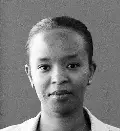
One day on a night shift in the maternity ward, Dr Josephine Murekezi, a midwife, found herself going between rooms as five women went into labour at the same time, as she and one colleague were the only people on duty. Describing it as one of the most overwhelming situations she has ever faces, Dr Murekezi said she still tried her best to support each patient while preparing one for another emergency transfer to the operating room. Dr Murekezi, who is president of the Rwanda Association of Midwives and director of nursing services at King Faisal Hospital, says the shortage of midwives in the country places a heavy burden on the healthcare system, compromising the quality of care provided to mothers and newborns. ALSO READ: Rwanda has a shortage of 1,000 midwives - Minister Nsanzimana “On most shifts, midwives find themselves covering more patients than they normally would, which means longer hours, fewer breaks, and a constant sense of pressure,” she told The New Times on Monday, May 5 as the world observed the International Day of the Midwife. She explained that critical tasks, such as monitoring fetal heart rates, offering emotional support to mothers, or preparing for deliveries, often have to be rushed. “It’s both physically and emotionally exhausting.” Although the outcomes of her night shift were positive, she felt unsettled and defeated, knowing that the care provided to the mothers and newborns fell short of the standards. Yet, Murekezi's scenario may not be the most demanding. Rwanda has about 2,200 midwives, with the ministry estimating that the country will need to more than double the number by the year 2028. They helped the delivery of 341,000 live births recorded in 2024, according to the Vital Statistics Report by the National Institute of Statistics of Rwanda. “When we are understaffed, it’s hard to spend enough time with each woman in labour or provide consistent breastfeeding support. This can affect clinical outcomes and, ultimately, the overall experience of giving birth,” Dr Murekezi said. She called for urgent investment in midwifery to prevent women from giving birth in under-resourced and overstretched conditions. There were only 2,236 registered and licensed midwives nationwide as of March this year, according to Dr Menelas Nkeshimana, Head of the Department of Health Workforce Development in the Ministry of Health. Projections from the government’s 4x4 reform, an initiative seeking to quadruple the number of Rwandan health workers, indicate that in four years more than 5,000 new midwives are expected to join the workforce. “Ideally, every woman in labour should be assisted by two midwives,” said Dr Nkeshimana. “But the reality is different, one midwife can find herself attending to more than 10 women at once. They are overworked.” ALSO READ: Rwanda's ‘4x4 Reform’ signals a transformative shift in healthcare Nkeshimana told The New Times that the current number of registered midwives falls far short of the country’s demand. “When you compare that number to the over four million women who get pregnant [every year], it’s clear that the gap is significant,” he said. Efforts to close this gap are underway, especially through the 4x4 reform, which has led to an increase in students pursuing midwifery. “In healthcare, midwifery is considered a tough field, and many tend to shy away from it,” Nkeshimana added. To expand training access, the number of accredited schools offering midwifery programs has grown from just four to 11. These institutions are now required to align their curricula with international standards. “Currently, we have 2,727 students enrolled in midwifery programs. Before the 4x4 reform, there were often fewer than 100 students studying midwifery,” said the official. “The profession was on the verge of disappearing because fewer people were enrolling, despite the available capacity to train them.” ALSO READ: Midwifery scholarship programme to address scarcity of healthcare specialists By 2028, Nkeshimana said some 5,200 new midwives will have graduated, in addition to those already in the workforce. “The 4x4 reform is not a one-time push. It will continue,” he said. For Dr Murekezi, the 4x4 initiative is not just about numbers. “It means that the future is bright, and investing in midwifery means investing in Rwanda’s better future.”