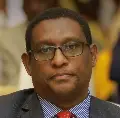
When UK Foreign Secretary David Lammy arrived in the Great Lakes region on February 23, 2025, his visit was framed as a crucial diplomatic engagement aimed at addressing the worsening crisis in the Democratic Republic of Congo (DRC). Yet from the outset, the trip carried an air of condescension, reinforcing longstanding concerns about the West’s approach to African affairs. Rather than engaging with regional leaders as equals, Lammy adopted a tone that felt more like a reprimand than a constructive diplomatic discussion—an approach that has long undermined genuine engagement between Western and African leaders. The UK’s top diplomat appeared more interested in issuing directives than in understanding Rwanda’s position. His visit followed a familiar pattern of Western engagement in African crises—one rooted in misinformed paternalism and an unwillingness to acknowledge the complexity of the situation on the ground. The prevailing Western narrative has largely absolved Kinshasa of its failures while casting Rwanda as the primary antagonist in a conflict that is, in reality, far more nuanced. For months, the situation in the DRC has deteriorated as the M23 rebels—a group that emerged in response to Kinshasa’s failure to address the grievances of ethnic Tutsis in eastern Congo—have made significant territorial gains. The Congolese government has been quick to blame Rwanda, accusing Kigali of supporting the group and using it as a proxy to destabilize the country. These allegations, though frequently echoed in Western media, remain far from conclusive. Yet, Lammy and his counterparts at the UN Security Council have accepted them as gospel, demanding that Rwanda “cease its aggression” without providing evidence or addressing the broader realities of the conflict. What is consistently ignored is Rwanda’s clear and consistent explanation for its security measures along the border. Kigali has repeatedly stated that its military positioning is defensive, aimed at preventing incursions from hostile armed groups operating in eastern Congo—most notably the Democratic Forces for the Liberation of Rwanda (FDLR), a militia composed of remnants of the perpetrators of the 1994 Genocide against the Tutsi. Despite multiple reports confirming the FDLR’s presence in the region and its history of attacking Rwandan territory, the international community has shown little concern about this security threat. Instead, it has chosen to focus exclusively on Rwanda’s alleged role in the conflict, disregarding the fundamental question: What exactly is Rwanda supposed to do when an openly hostile militia, tolerated by Kinshasa, poses a direct threat to its sovereignty? For years, Rwanda has raised the alarm about the FDLR, but its concerns have largely been dismissed. Instead, the conversation is dominated by a singular narrative: that Rwanda is interfering in the DR Congo’s affairs. But if Kinshasa cannot prevent groups like the FDLR from using its territory to launch attacks on Rwanda, is Kigali not justified in maintaining defensive measures? If sovereignty is truly a sacrosanct principle, why is Rwanda’s right to defend itself considered illegitimate while Kinshasa’s failure to prevent cross-border attacks is overlooked? The hypocrisy of the Western response is glaring. Lammy, like many before him, speaks of Congo’s territorial integrity but remains silent on the armed groups violating Rwanda’s borders. This double standard has long defined Western diplomacy in Africa, where one set of rules applies to African governments that align with Western interests, while another applies to those that challenge them. Rwanda is expected to tolerate security threats passively, while Kinshasa is permitted to collaborate with groups that seek to destabilize its neighbor. Yet, the selective engagement does not stop at security concerns. The economic dimension of the crisis has also been framed in a way that conveniently ignores Western involvement. One of the most persistent accusations against Rwanda is that it benefits from the illegal trade of minerals from eastern Congo. This claim has been repeated so often that it is now taken as fact in many circles. However, a closer look at the realities of the mining sector in the DR Congo tells a different story—one that Western officials prefer not to discuss. The DR Congo’s vast mineral wealth has long been a magnet for external actors, and it is no secret that the country’s resources are exploited by a web of foreign companies operating in the shadows. But contrary to the prevailing narrative, the primary beneficiaries of this illicit trade are not Rwandan entities. The real players are Belgian, British, French, South African, and Russian companies that have entrenched themselves in the region’s mining operations. These companies operate with the tacit approval of Congolese authorities, securing lucrative contracts while local communities see little benefit. Yet, when accusations of mineral exploitation arise, it is Rwanda that is placed under the microscope. If Congolese traders sell minerals to Rwanda, it is labeled as “smuggling.” But if those same minerals end up in European markets, the transaction is treated as legitimate trade. Why is an African nation engaging in regional commerce framed as criminal, while Western companies profiting from the same resources are immune from scrutiny? The colonial undertones of this discourse are unmistakable: Africa’s resources are to be controlled and profited from by Western interests, while any attempt by Africans to claim agency in this trade is met with suspicion and condemnation. This mineral trade narrative is part of a broader strategy to divert attention from the real culprits of resource exploitation in the DR Congo. While Rwanda is accused of fueling the conflict for economic gain, the fact remains that the illicit mineral trade is facilitated by networks that extend far beyond Kigali, often with direct links to European and North American corporations. But acknowledging this inconvenient truth would disrupt the established Western framing of the conflict, which requires a singular villain—and Rwanda has been cast in that role. Perhaps most troubling about Lammy’s visit is how it reflects a deeper failure of Western diplomacy in Africa. The UK, like other Western nations, continues to operate under the assumption that African governments must take their cues from European capitals. There is little regard for the sovereignty of African states when they assert their own perspectives, particularly when those perspectives challenge Western assumptions. This approach is not new. It is rooted in a colonial-era mindset that viewed African nations as incapable of self-governance and in need of external direction. While the language may have evolved, the dynamics remain unchanged. African leaders are expected to accept Western prescriptions for their problems, and when they push back, they are branded as defiant. Lammy’s posture in Rwanda exemplified this mentality—arriving not to listen or understand, but to dictate terms. If the UK and its allies are truly invested in regional stability, they must abandon this outdated approach. The crisis in the DRC will not be resolved through finger-pointing or one-sided condemnations. It requires an honest reckoning with the full scope of the problem—one that includes holding Kinshasa accountable for its failures, acknowledging the role of external economic interests, and addressing the genuine security threats that Rwanda faces. Rwanda has made it clear that its defensive measures are a response to a real and present danger. If the Congolese government were to provide credible assurances that hostile forces would not use its territory to threaten Rwanda, Kigali would have no reason to maintain a heightened military posture. But until that happens, it is unreasonable to expect Rwanda to ignore the very real threats on its border. The current Western diplomatic approach does not foster peace—it exacerbates divisions. By selectively condemning one side while ignoring the broader complexities of the conflict, the UK and its allies risk entrenching the very instability they claim to want to resolve. Lammy’s visit could have been an opportunity to reset the conversation, to engage Rwanda as a serious partner rather than a subordinate. Instead, it became yet another example of the enduring paternalism that has long defined Western engagement in Africa. The writer is an African scholar, author, and commentator on political and economic affairs.